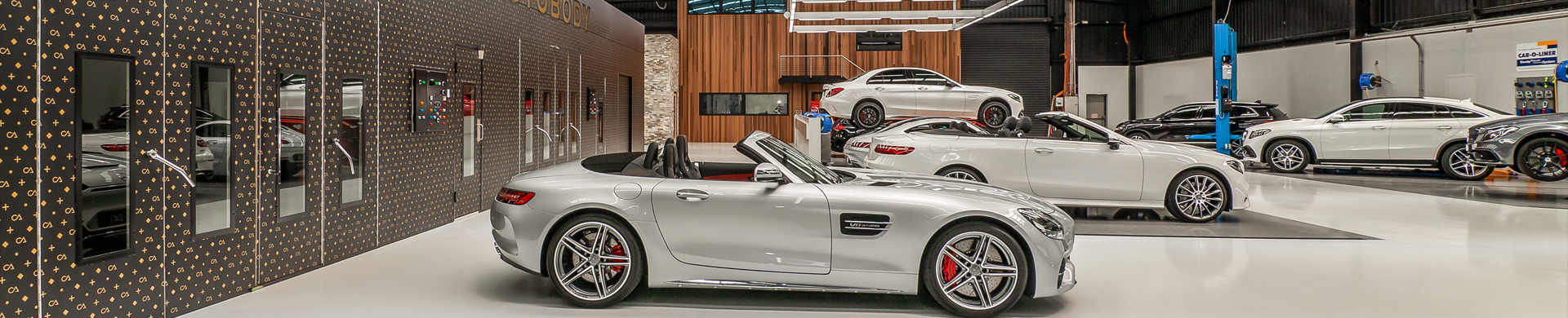
A damaged car panel can often be repaired, but replacement may be more appropriate when the impact has caused severe distortion, tears or damage around important mounting areas. The right option depends on the shape, location and extent of the damage, not simply how large the dent looks.
For drivers looking for a panel beater near Braeside, a physical inspection can help determine whether the existing bodywork can be restored or whether another repair approach should be considered.
The condition of the affected bodywork is the main factor when deciding between repair and replacement.
A technician will usually consider the dent shape, paint condition, impact location and surrounding components before recommending a repair method. A broad, shallow dent may sometimes be easier to restore than a smaller but sharply creased section.
Important details can include:
Looking at the whole affected area gives a clearer picture than judging the damage from appearance alone.
Small dents may be repairable when the surrounding material and paint remain in suitable condition.
Parking knocks, shopping trolley damage and minor impacts can sometimes leave the bodywork largely intact. Depending on the shape and position of the dent, conventional panel beating or paintless dent removal may be considered.
Paintless dent removal may suit certain dents where the original paint has not cracked, and the technician can access the affected area.
The panel is worked back into shape without going through a standard repaint. It will not suit every dent, though. Sharp creases, badly stretched metal, or damaged paint can make this method less suitable.
A proper assessment determines whether this method is appropriate for the individual vehicle.
A deeper dent or crease may still be repairable if the existing section can be restored appropriately.
Traditional panel beating can involve reshaping the metal, correcting the surface and preparing it for refinishing. Where paintwork has been scratched, chipped or cracked, spray painting and colour matching may form part of the repair.
This type of car panel repair can be useful when the original component remains suitable to restore, and replacement is not necessary.
A heavily distorted or torn body panel may need replacing when restoring the original shape is no longer practical.
This can occur after stronger side impacts, front or rear collisions, or accidents that affect the edges and attachment points of the component.
Mounting points help doors, guards, bonnets, and other exterior parts sit correctly against the vehicle.
Damage in these areas can affect alignment, gaps and how neighbouring parts operate. The visible dent may therefore be only one part of the repair decision.
Torn metal or severe deformation can make repeated reshaping unsuitable.
In these cases, the technician needs to assess the entire component and the surrounding structure before deciding whether replacement is more appropriate.
The visible size of a dent does not always reflect the extent of the damage.
A bumper corner, door, or guard may show only minor exterior damage, while clips, brackets, or nearby components have also moved or broken. Modern vehicles can also have parking sensors and other equipment positioned around bumpers and exterior panels.
This is why a collision damage assessment is useful before deciding on the repair method. It allows the technician to inspect both the visible damage and the surrounding area.
Doors, guards and bumpers cannot always be assessed using the same repair rule.
A small door dent may be relatively straightforward, while a larger impact can affect the outer skin, edges, hinges or internal components.
Guards frequently receive damage from parking accidents and low-speed collisions. Some can be reshaped, while severe creasing or distortion may make replacement worth considering.
Bumper repairs depend on the material, impact location and condition of nearby brackets or sensors. A light scuff has very different repair requirements from a bumper that has been heavily displaced.
The vehicle model and individual damage should guide the decision rather than assuming the same method suits every part.
The most suitable repair method should consider the condition of the vehicle as well as cost.
Repairing an existing component can make sense when it can be restored effectively. However, extensive labour on heavily damaged bodywork may make replacement a more practical option in some situations.
The opposite can also apply. Replacing a usable component may introduce unnecessary parts and refinishing work when the original section could have been repaired.
A detailed quote should reflect the damage, labour, required parts and refinishing rather than relying on the size of the dent alone.
A clear repair recommendation should explain why the existing part can be restored or why replacement is being considered.
Useful questions include:
These questions can help you understand the scope of the work before repairs begin.
A professional inspection is the most reliable way to decide whether damaged bodywork should be repaired or replaced.
Minor dents and moderate collision damage can sometimes be restored using panel beating, paintless dent removal or refinishing. More extensive distortion, tears or damage around attachment points may call for a different approach.
For Braeside drivers dealing with dents, scratches or accident damage, CA Autobody provides panel beating, spray painting and collision repair services from its Chelsea Heights facility.
If your vehicle has damaged bodywork, the team can inspect the affected area and explain which repair options may be suitable before work begins.